Affinity Utilities
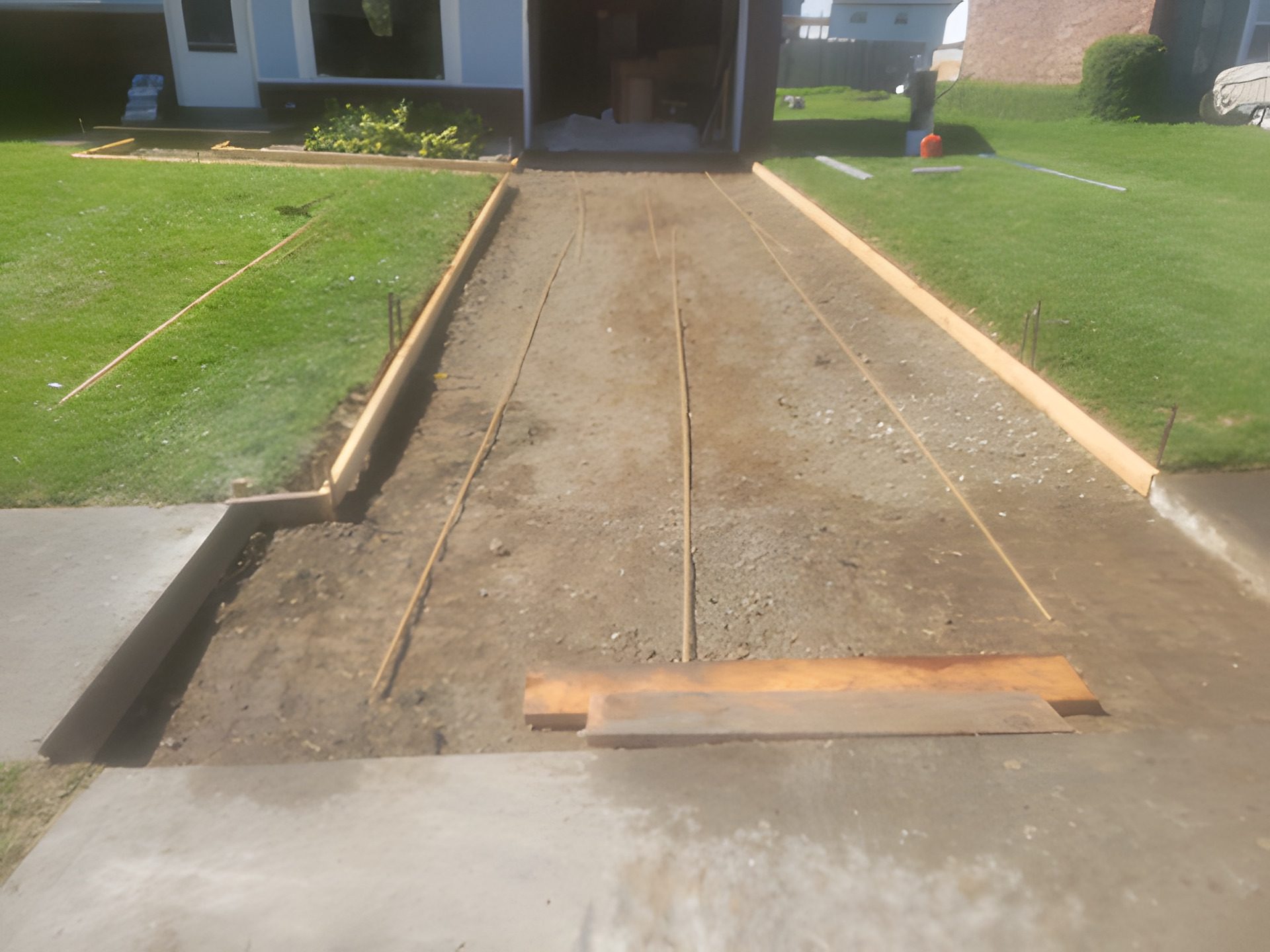
Concrete area excavated to grade with forms set and reinforcement laid over a compacted stone base

Removal & Installation

Concrete Removal & Replacement

Failed concrete taken out, the ground underneath corrected, and new concrete installed properly, for driveways, commercial flatwork and parking areas across Greater Cincinnati.

Remove & Repour

Replacing Concrete, Not Covering It

Concrete rarely fails because of the concrete. It fails because the base under it washed out, was never compacted properly, or has had water sitting in it for years. Resurfacing, lifting or overlaying leaves all of that in place and simply hides it until it comes back.

Affinity removes the failed concrete, corrects what is underneath, and pours new. It is more work up front than a surface fix, and it is the reason the replacement does not become an annual line item.

The Scope

What Removal & Installation Covers

01

Breaking Out the Failed Concrete

Concrete that has scaled, settled or cracked through gets broken out full depth. Work is cut back to a clean edge against whatever is staying, so the new pour has a straight joint to tie into rather than a ragged break.

  • Full-depth removal of the failed area
  • Clean saw-cut edges against sound concrete
  • Sections isolated so good work stays put
02

Haul-Off & Site Clearing

Broken concrete is loaded and hauled off rather than stockpiled somewhere on the property. On an occupied commercial site that matters as much as the concrete work, because the lot has to stay usable while the job runs.

  • Debris loaded and removed from site
  • Access kept open through the work
  • Surrounding surfaces left clean

03

Fixing What Caused It

This is the step that separates a replacement from a repeat. The exposed sub-base gets inspected, soft material is dug out, stone is brought in and the whole area is re-compacted before anything is poured back.

  • Sub-base inspected once it is exposed
  • Soft or washed-out material removed
  • Stone placed and re-compacted to grade

04

New Concrete In

New concrete goes in at the thickness the use calls for, tied to the existing grade so water still runs where it should, jointed to match the surrounding layout and finished to sit flush with the work around it.

  • Thickness matched to the actual loads
  • Grade and drainage carried through
  • Finish and joints matched to what stays
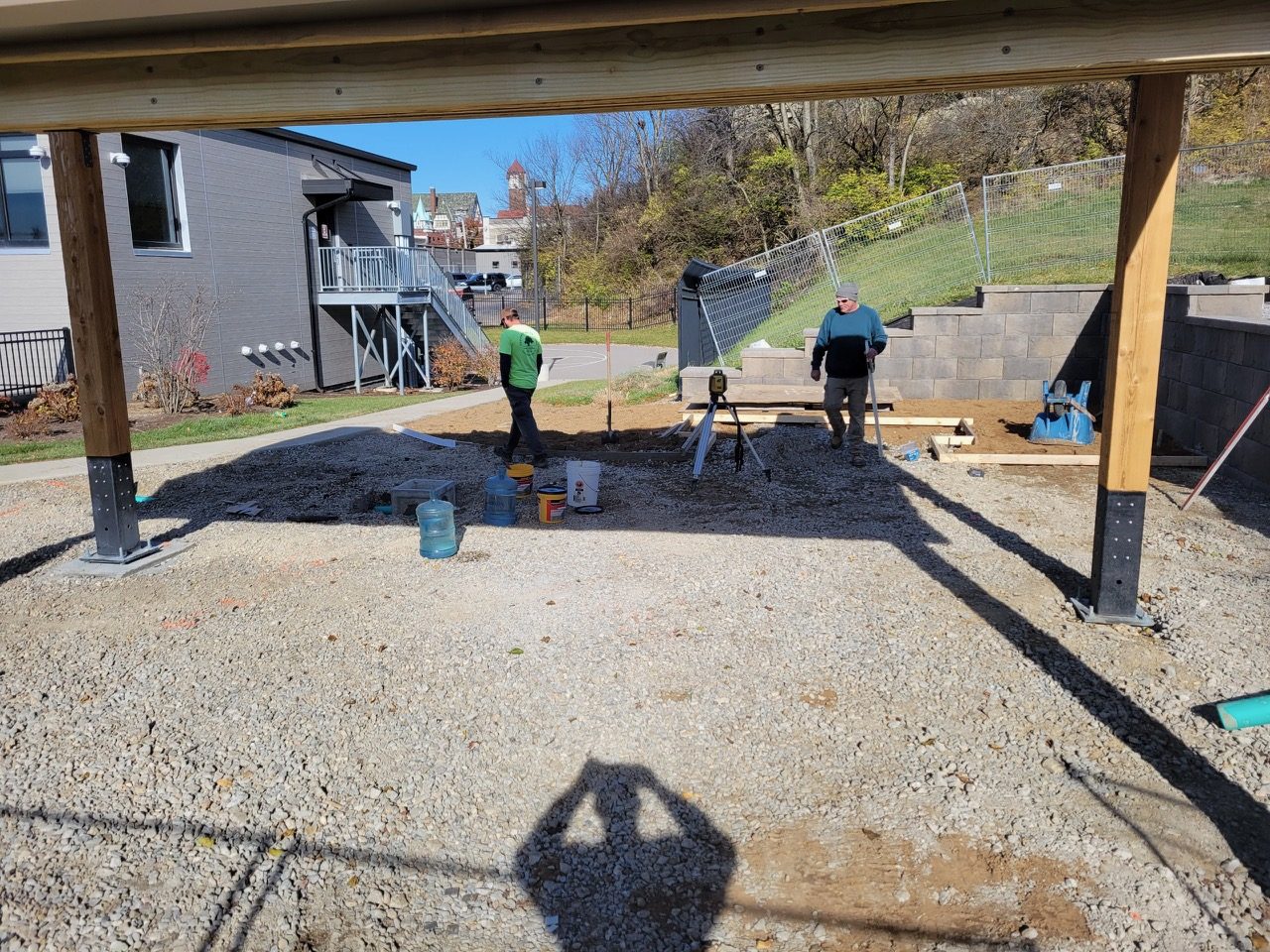
Prepared and compacted stone base graded flat and ready for a concrete pour

Preparation

The Part Nobody Sees Afterward

Once the pour is finished, every contractor's work looks about the same. The difference shows up in year four, and it was decided during the day spent on the base: digging out what was soft, bringing in stone, and compacting it before forming.

  • Residential driveways and flatwork
  • Commercial and property concrete
  • Parking areas, curbs and approaches
  • Single sections or whole surfaces

FAQ

Removal & Replacement Questions

What is the difference between replacing and leveling concrete?
Leveling lifts a settled slab back up by injecting material underneath it. Replacement takes the concrete out, corrects the base, and pours new. Leveling can be the right call on sound concrete that has simply dropped; it does nothing for concrete that has broken up or for a base that has washed out.
Can just one section be replaced?
Yes. Failed areas are saw-cut back to a clean edge against sound concrete, so good work stays where it is and the new pour has a straight joint to tie into rather than a ragged break.
Why does concrete fail in the first place?
Usually not because of the concrete. The base underneath washed out, was never compacted properly, or has had water sitting in it. That is why the base gets inspected and corrected once the old concrete is off, rather than pouring straight back over it.
Where does the old concrete go?
It is broken out, loaded and hauled off the property rather than stockpiled on site, which matters on an occupied commercial lot that has to keep working while the job runs.

Concrete That Needs to Come Out?

Talk with Affinity about removing and replacing it properly. Call 513-546-4690 or request an estimate.

Call Request Estimate